Trezor Login | Secure Access to Your Trezor
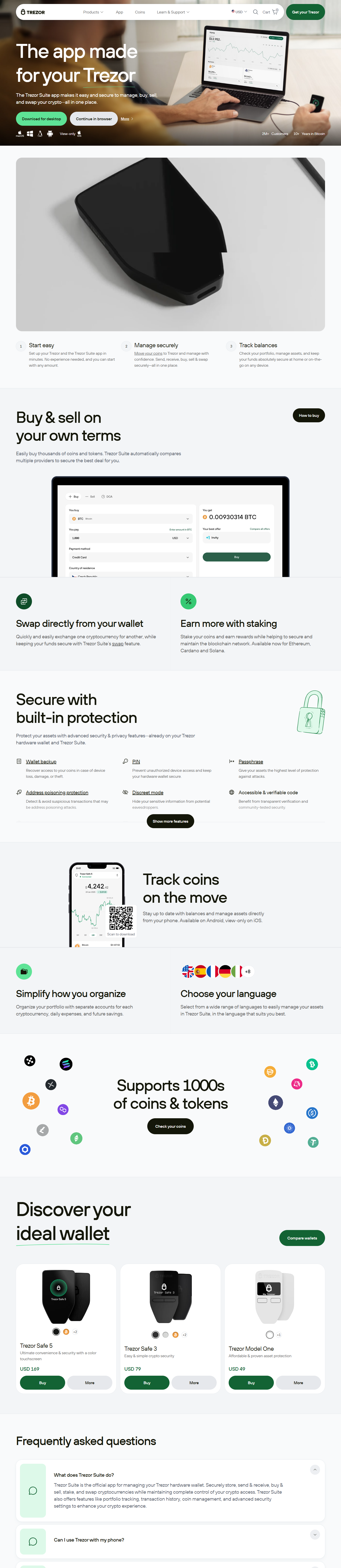
Trezor is one of the most trusted hardware wallets for securely managing cryptocurrency. Accessing your Trezor account through the official login page ensures that your digital assets remain protected against unauthorized access, phishing attempts, and malware threats. Using a secure login process is essential for safeguarding private keys, seed phrases, and transaction integrity.
The first step to accessing your Trezor device is connecting it to your computer or mobile device using the USB cable. Once connected, navigate to the official Trezor website and open the Trezor Suite or the Trezor login portal. Avoid using third-party links or search engine results that could redirect you to phishing websites.
Upon accessing the login page, you will be prompted to enter your credentials, which include your PIN and optional passphrase. The PIN acts as the first layer of security, protecting your device from unauthorized access. A passphrase adds an additional layer, effectively creating a separate wallet on your Trezor device, which only you can access.
It is important to keep your PIN and passphrase confidential. Never share these with anyone, and avoid storing them digitally on devices connected to the internet. For added security, consider writing down your credentials on paper and storing them in a safe place. This ensures that even if your computer is compromised, your Trezor wallet remains secure.
Once you enter your PIN, the Trezor device will synchronize with the Trezor Suite or web interface. The login process may involve confirming a few on-device prompts, which are designed to verify that the device is physically present. This extra step prevents remote attackers from accessing your wallet without your physical device.
After successfully logging in, users can view their account balances, transaction history, and manage multiple wallets. The Trezor interface is user-friendly and allows for easy navigation between sending and receiving cryptocurrencies. Each transaction is cryptographically signed on the device itself, ensuring that private keys never leave the hardware wallet.
Security features extend beyond the login process. Trezor devices offer firmware updates, which include critical security patches and enhancements. Users are encouraged to keep their devices updated to mitigate potential vulnerabilities. The device will prompt you when updates are available, and these should always be performed using official Trezor resources.
In addition to basic login security, Trezor offers advanced features such as two-factor authentication (2FA) integration. By enabling 2FA, you add a verification step during login, which significantly reduces the risk of unauthorized access. Even if a hacker obtains your PIN, they will not be able to log in without the second factor.
Another important aspect of Trezor login security is recognizing phishing attempts. Always check the URL to ensure you are on the official Trezor site. Look for HTTPS encryption, verify the domain, and avoid clicking on suspicious email links. Trezor will never ask for your recovery seed or private keys via email or online forms.
For users managing multiple cryptocurrencies, Trezor provides seamless integration with various blockchain networks. Logging in securely allows you to access wallets for Bitcoin, Ethereum, Litecoin, and many other supported coins. The login process ensures that all interactions are authenticated and signed securely on the hardware device.
Recovering access in case of lost credentials is also a key feature of Trezor. The recovery process requires your 24-word seed phrase, which acts as a master key to restore your wallets on a new device. This seed phrase should be stored offline, away from digital threats. Logging in securely and storing recovery information safely ensures you maintain control over your crypto assets.
For frequent users, Trezor offers an optional passphrase protection system. When logging in, you can enter a passphrase that creates an entirely new wallet, invisible without the passphrase. This feature is particularly useful for hiding funds or managing multiple accounts securely. Always remember your passphrase; without it, access to the wallet is impossible.
Security best practices include always logging out from Trezor Suite or web interfaces when done. Even though the device is secure, leaving an active session open on a shared or public computer can expose your assets. Logging out ensures that your session cannot be exploited by unauthorized users.
Trezor also educates users about common security threats and mitigation strategies. Their official guides provide step-by-step instructions for logging in safely, recognizing phishing attacks, managing PINs, and updating firmware. Regularly reviewing these resources helps maintain optimal security and peace of mind.
Overall, logging into Trezor securely is not just about entering your PIN; it is a combination of device security, interface usage, recovery strategies, and threat awareness. By following the recommended practices, users can confidently manage their cryptocurrencies, knowing that their digital wealth is protected against modern cyber threats.
In conclusion, Trezor Login ensures that your cryptocurrency assets remain secure through a combination of hardware-based authentication, PIN protection, passphrase encryption, and vigilant security practices. Whether you are a beginner or an advanced user, understanding the login process is the first step toward mastering secure cryptocurrency management.
Additionally, it is advisable to use a dedicated computer or device solely for cryptocurrency management. This minimizes exposure to malware, keyloggers, and phishing attempts. Logging into your Trezor wallet from a clean, secure environment strengthens overall security and reduces risk.
For enterprise or high-value users, multi-signature setups can be combined with Trezor devices. Secure login is the first step in managing such complex setups, ensuring that multiple signatures are required for transaction approvals. This protects assets from unauthorized single-party access.
Logging in securely also enables access to advanced features like password-protected wallets, hidden accounts, and encrypted backups. These layers of security are critical for users who prioritize privacy and want to safeguard their financial data against theft or loss.
Finally, Trezor's community support and official documentation provide ongoing guidance for secure login practices. Regularly reviewing updates, security advisories, and best practices ensures that your Trezor device remains a reliable tool for cryptocurrency management. By following these recommendations, users can enjoy peace of mind and confidence in their digital asset security.